
DNA & Family History Notes
Independent guides to using DNA tests in family history research.
DNA testing has changed genealogy. These guides explain the science in plain English, show how to read results, and set out good practice for running and publishing DNA studies, with links to the sources behind every page.
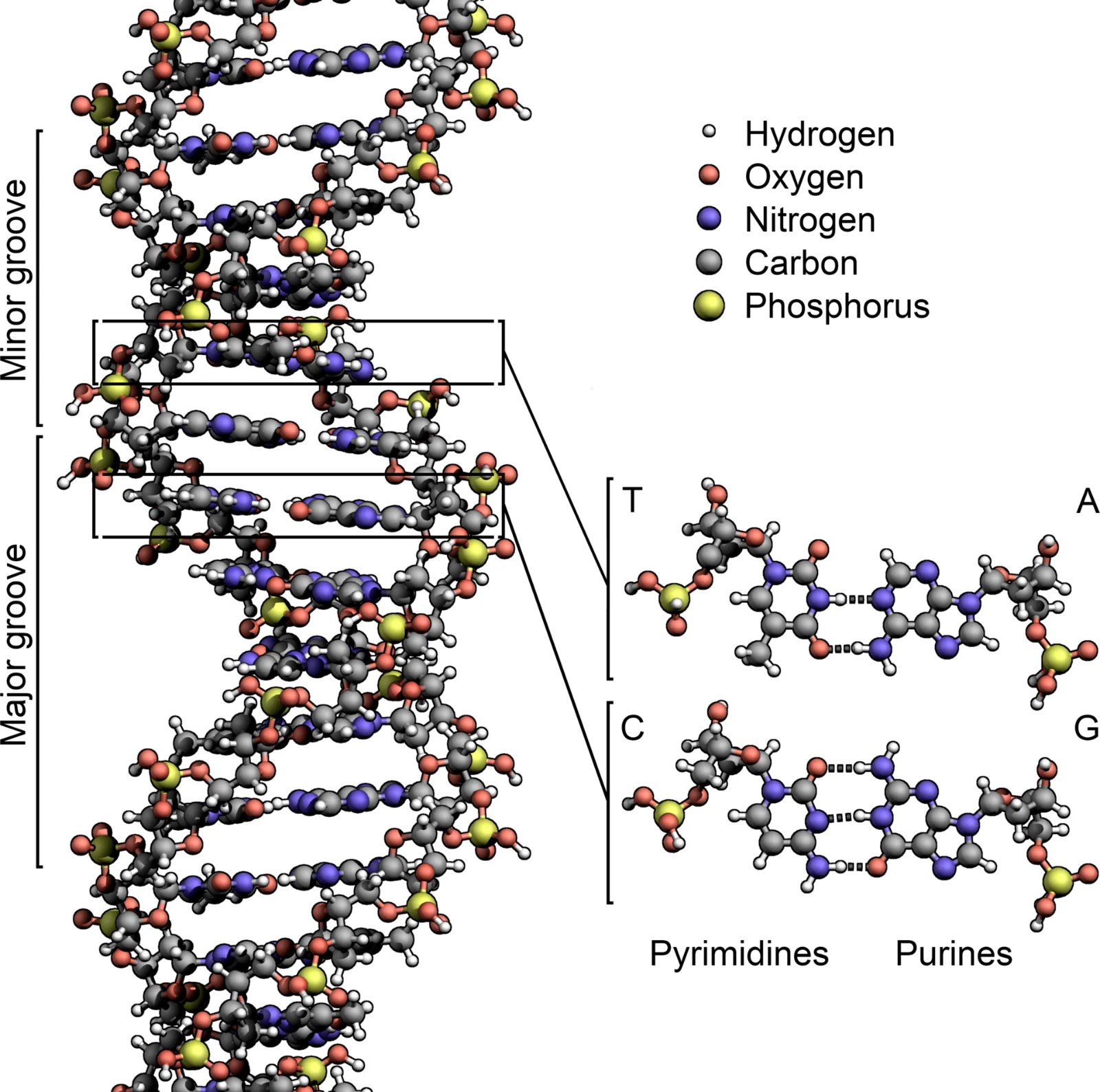
Getting started
The Science Behind DNA Tests for Family History
A plain-English guide to the three main DNA tests used in family history — Y-DNA, mitochondrial DNA and autosomal DNA — and what each can and cannot tell you.
Interpreting Your DNA Results
How to make sense of DNA matches, shared centimorgans, Y-DNA marker differences and haplogroups — and the common mistakes to avoid.
Genetic Genealogy Glossary and FAQ
Short definitions of the key terms used in DNA testing for family history, plus answers to common questions about tests, matches and privacy.
DNA studies and surnames
Surnames and Genetics
Why surnames and the Y chromosome are often inherited together, what a surname DNA study can reveal, and why one surname can have many genetic origins.
Types of DNA Projects: Surname, Geographic and Haplogroup
An overview of the main kinds of volunteer DNA projects — surname, geographic, haplogroup and family projects — and how to choose or join one.
How to Organise a DNA Study
A step-by-step guide to setting up a surname or family DNA study: defining the question, choosing tests, recruiting participants and handling consent.
Publishing DNA Results Responsibly
How to present DNA study results clearly while protecting participants’ privacy: anonymised kits, grouped results, consent and what not to publish.
Deep ancestry
DNA and Human Migration History
How Y-DNA and mitochondrial haplogroups trace ancient migrations, what the out-of-Africa model says, and why deep ancestry differs from genealogy.
About this site
DNA & Family History Notes is an independent site. It does not sell DNA tests and is not affiliated with any testing company or author. This domain previously belonged to another website; this site has no connection to it or its owner.